
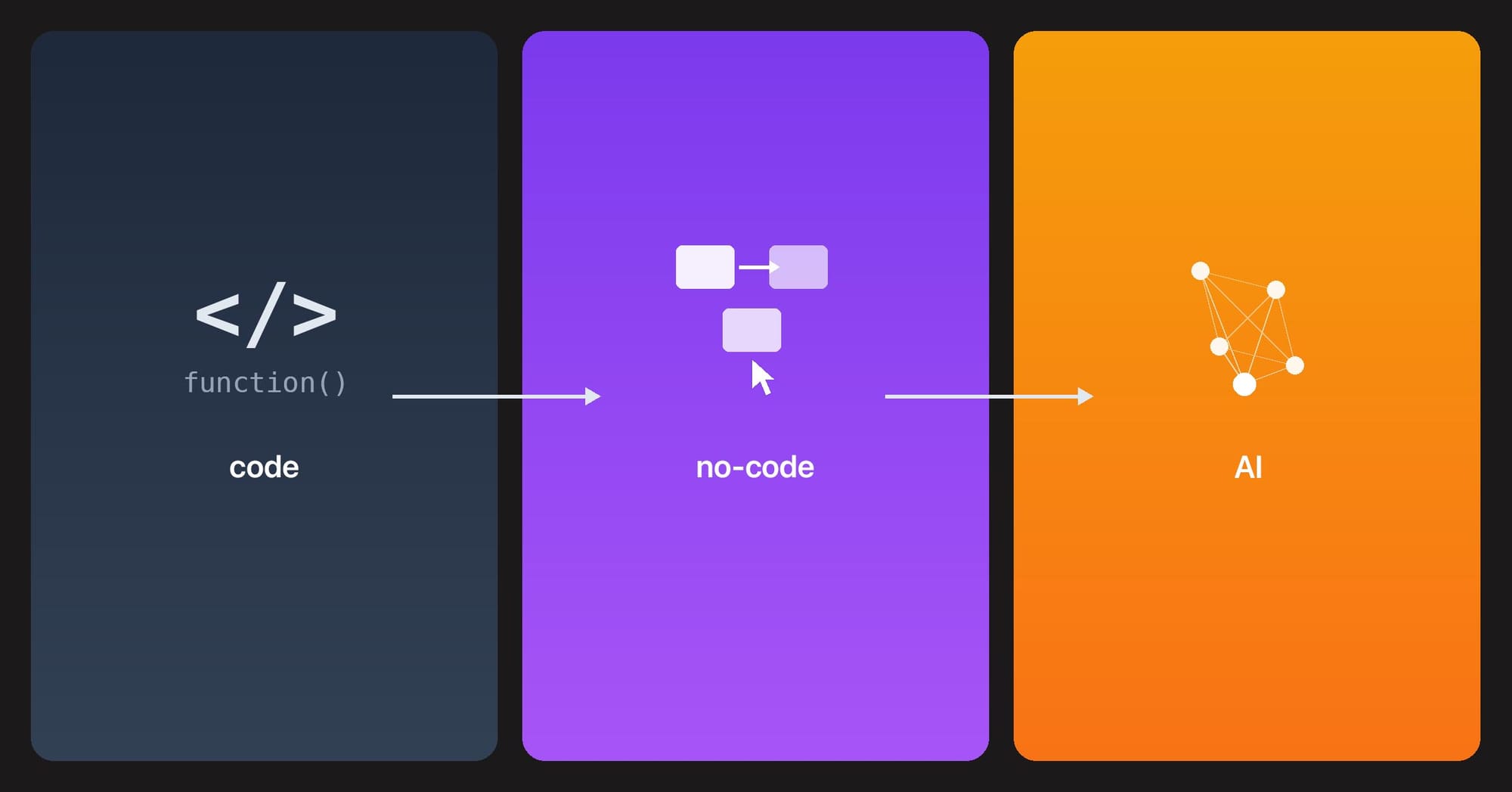
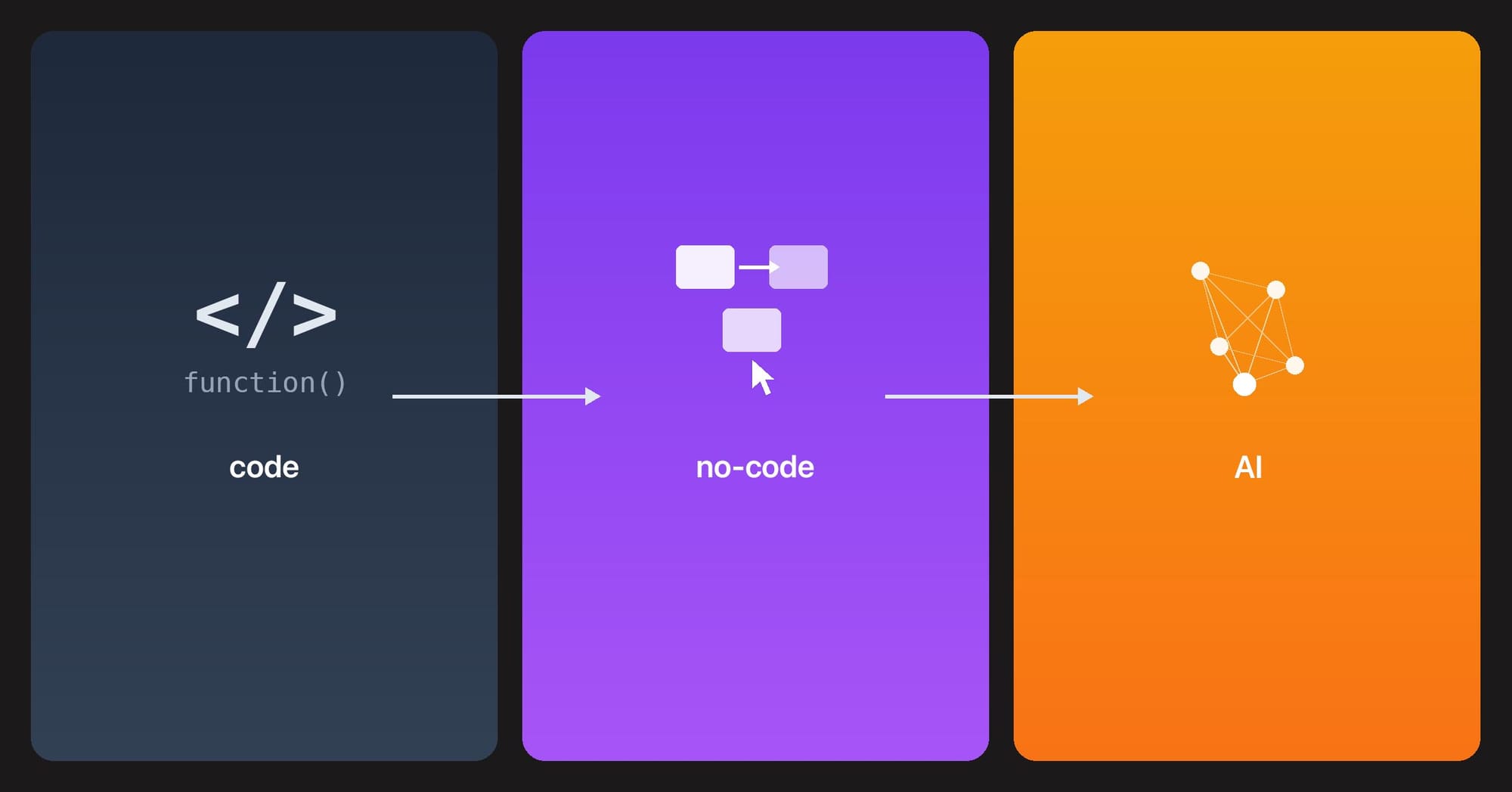
Code → No-Code → AI: How Three Eras Rebuilt the Same Website
In 2018, I wrote about building a complete website in a day for a nonprofit called Lahore Conservation Society. I'd spent years hand-coding websites the hard way, and then a page builder let me skip all of that and ship a full site in an afternoon. It felt like cheating.
In 2024, I wrote the next chapter: years of quietly self-hosting that same site on my own servers to save the organisation some money, ending the day a spam attack took the whole thing down and I decided being a part-time sysadmin wasn't worth it anymore. I handed the site over to managed hosting, handed the org a full backup, and considered the story closed.
It wasn't closed. This is what happened next.
The handoff that didn't work out
After I stepped back, another member of the organisation offered to host the WordPress site on their own server. Reasonable enough — one less thing on my plate, one more volunteer stepping up.
Except after a while, they stopped paying for the hosting. Then they stopped responding to the organisation altogether. No warning, no backup handed over, nothing. The site just went dark.
Eventually someone from LCS reached out to me again, half-expecting there wasn't much I could do. The other person wasn't answering emails. The server was gone. As far as anyone could tell, the site — years of content, structure, everything — had disappeared with it.
Rethinking what the site even needed to be
Before touching anything technical, I asked the obvious question: did this organisation actually need WordPress?
They weren't writing blog posts. They didn't need a content management system, a database, plugins, or any of the machinery WordPress brings with it. What they needed was a handful of pages that told people who they were, what they did, and how to reach them. A brochure, essentially.
So I made a suggestion: forget WordPress entirely. I'd convert the site into a single, simple static page and host it for free on Cloudflare. No server to pay for, no plugins to keep updated, nothing to break again. They agreed immediately — it made sense the moment I said it.
There was just one problem: the only version of that site left in the world was one I hadn't looked at in years.
Digging up a ghost
When I'd handed the site over, I'd kept a full backup out of habit — the kind of thing you archive and forget about. It turned out to be the only surviving copy of the site anywhere. Everything the other host had was gone for good.
But it was old. Old enough that trying to bring it back to life the normal way meant wrestling with an outdated version of WordPress on an outdated version of PHP — the kind of compatibility mess that would once have eaten a weekend before I'd even seen what the site looked like.
This time, I did it differently. I sat down with Claude Code and worked through it as a conversation rather than a slog. It helped me get the old backup running locally again, one obstacle at a time, until the site looked exactly the way it had the day I'd last touched it — years of dust blown off, back to its original state.
Watching it happen instead of doing it
From there, something genuinely new happened. Once the old site was running and visible again, Claude Code used its own browser tooling to look at the live pages, understand what the design actually was, and rebuild it as a static site with a similar look and feel — without me manually redesigning anything.
It also pulled all the actual content — the words, the structure, the site as it existed — straight out of the old WordPress database, instead of me copying and pasting page by page like I would have a few years ago. And because I was running everything locally, one working session was enough to move code between repositories and carry over every image the old site had, without a single manual export.
What used to be a multi-day recovery project — resurrecting an abandoned site, decoding what it used to be, rebuilding it from scratch, moving the assets across — happened in one sitting. The new site went live on Cloudflare shortly after, free to host, with nothing left for anyone to forget to pay for again.
The pattern, if you zoom out
This is now the third time I've told some version of this story, and each time the tool doing the heavy lifting has moved one level further away from "writing code by hand."
The first shift was page builders — not just on the web, but the same idea shows up across mobile development too. Interface Builder in Xcode, the layout editor in Android Studio — tools that let you assemble something visually instead of typing out every line yourself. That was the first big leap: less manual code, more configuration, faster output.
The second shift, at least in my own work, was giving up on running my own infrastructure — trading the satisfaction of doing it myself for the simple fact that my time was worth more than the money it saved.
The third shift is this one. AI didn't just save me from writing code — it went and looked at a dead website, figured out what it used to be, and rebuilt it, while I mostly watched and made decisions instead of doing the work myself. Page builders sped up the how. This sped up the whole thing, including parts I used to assume only a person could do — looking at a design and understanding it, digging through a database and knowing what mattered, moving files around without being told exactly where each one goes.
Three different eras, three different tools, and somehow the organisation still ended up with a working website each time — just with less and less of that work actually landing on me.
Omar Mujtaba
Hi there! I’m a mobile developer from Sydney who loves sharing insights on building apps. With experience in mobile and backend development, I break down tech topics to make them easy and interesting.
follow me :

Related Posts
Giving Feedback That Matters: Lessons from a Technical Lead
Apr 01, 2025
The Bug That Almost Broke Me (And What It Taught Me)
Mar 17, 2025
Farewell DIY Server: A Mobile Dev’s Journey Self-Hosting Websites
Nov 10, 2024